The clever part of OpenAI’s World Cup play wasn’t the picture. It was what came after. Rather than just run an ad, OpenAI published the exact prompt behind it into ChatGPT Images’ styles collection, so any fan could apply the same trick to their own photo. The image was the demonstration. The tool was the campaign. That small move, handing the instrument to the crowd instead of keeping it, is what makes this a clean study in participatory marketing.
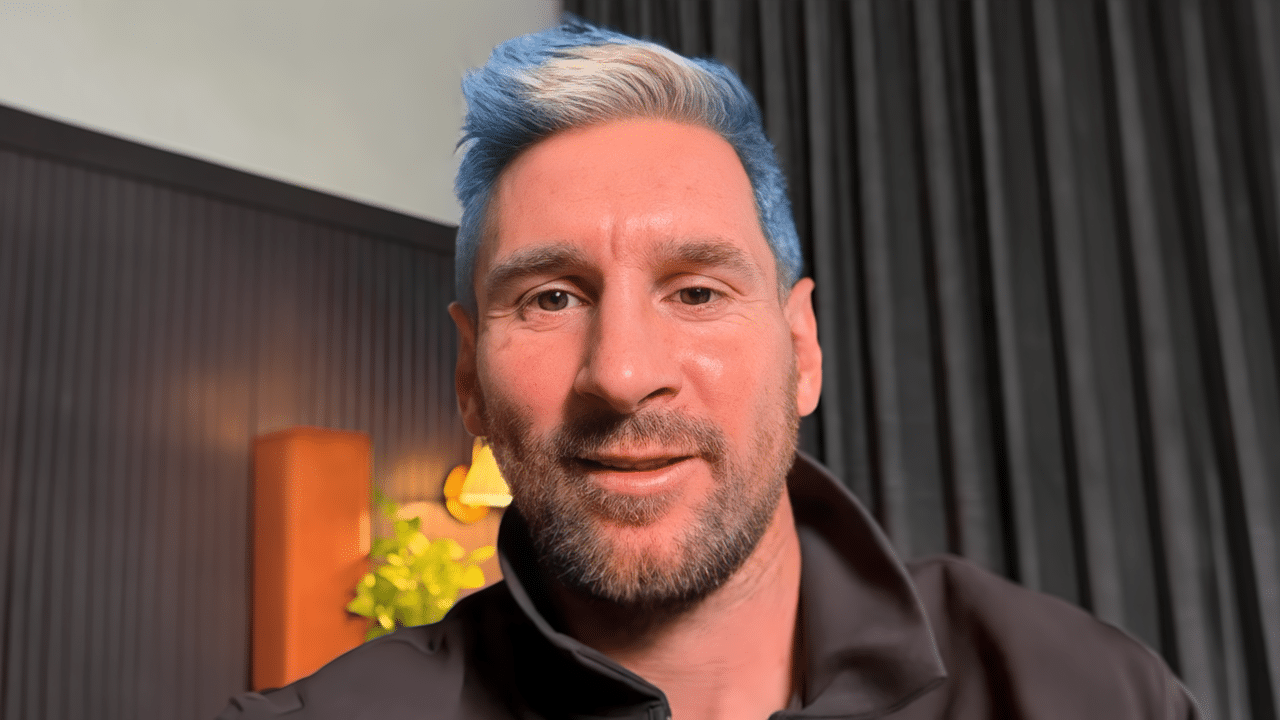
The set-up was quick. Unveiled around mid-June 2026 and timed to the tournament, the tie-up with Lionel Messi was billed as a first-of-its-kind partnership with one of the world’s most recognisable athletes. Messi posted to his own Instagram a look with his hair recoloured blue-and-white in Argentina’s colours, made with ChatGPT Images. The prompt OpenAI then shared, under #MessiMode, was disarmingly plain: “Make my hair the colors of my country flag but keep it natural-looking. If no country or image is provided, ask.”
That single line is the whole mechanic. A fan opens ChatGPT Images, picks the preset style or pastes the prompt, uploads a photo, and walks away with themselves recoloured in their own team’s flag. Low-friction, self-serve, and the output lands in the fan’s feed, not OpenAI’s. Messi’s part was to endorse and demonstrate, not to engineer anything. “I turned to ChatGPT to imagine myself cheering in a new way,” he said, “and I started with Argentina’s colours, of course.”
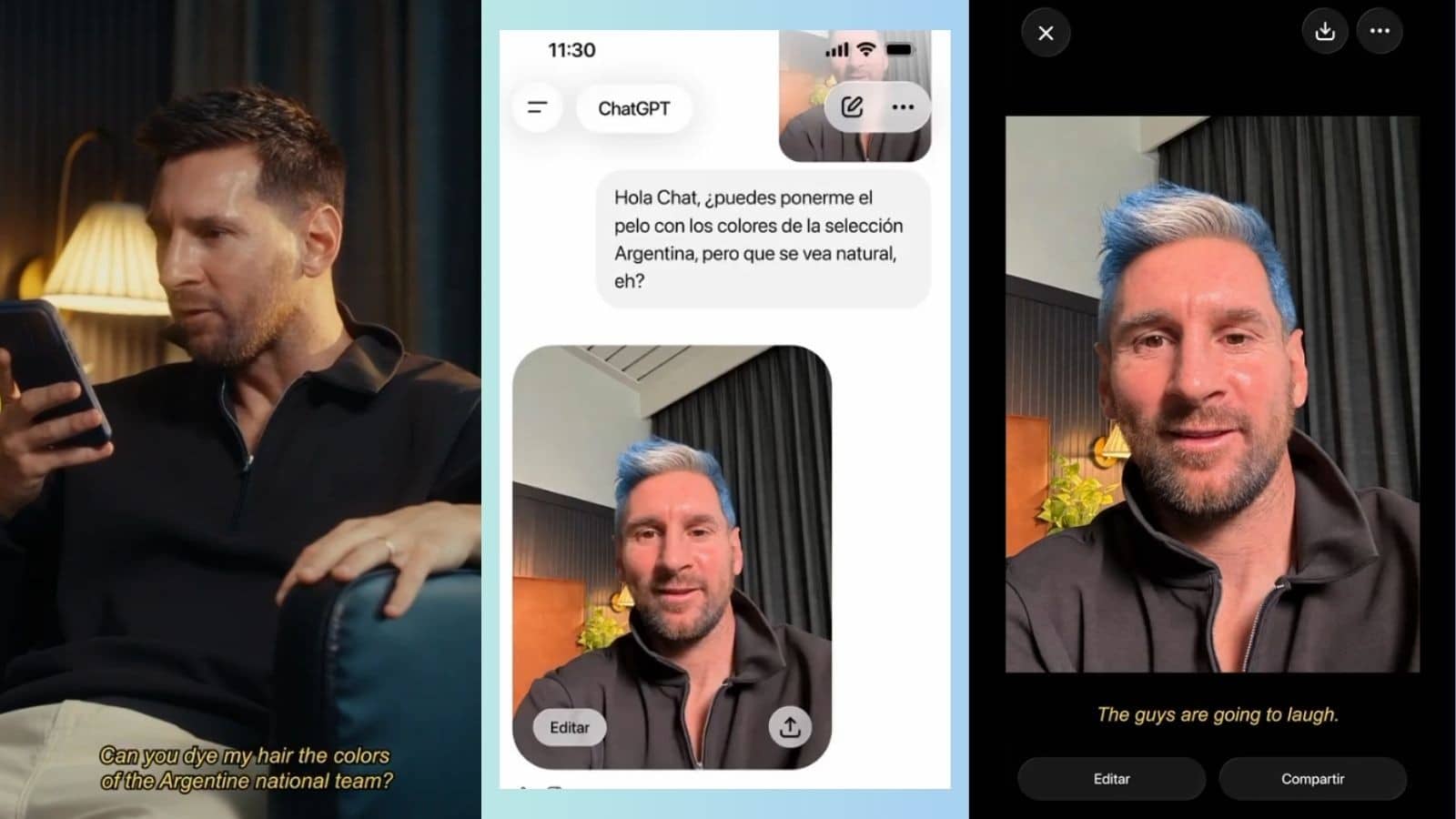
This is a genuinely different operating model from brand spectacle. The traditional version produces the asset, buys the media, and lets fans watch. The participatory version makes one hero gesture, ships a tool, and lets the audience produce the campaign on their own channels. The owned-media budget becomes a product and a prompt, and the fan-generated content does the rest. Where Nike bought streets and spectacle, OpenAI simply handed over an instrument.
The early evidence is real but worth reading carefully. OpenAI’s own data, reported via Moneycontrol and carried by Business Today and PCQuest, put more than 17 million World Cup-related prompts on ChatGPT worldwide in a single week, with India sixth by volume. Separately, creative-intelligence firm DAIVID ranked the campaign the top performer of the pre-tournament window.
Both need a clear eye. Seventeen million is an activity number, not a love number or a sales number. It counts World Cup prompts of every kind, not seventeen million hair-recolours and not seventeen million conversions. And the mechanic works precisely because OpenAI owns the toy: most brands don’t have a generative tool fans already want to open, so the transferable lesson is the principle, the tool-handoff, not the exact play.
There are sharper edges, too. DesignRush notes Messi said in January that he doesn’t use ChatGPT, which sits awkwardly with his new role as its global face. TechRadar’s read was that the partnership feels like marketing written by AI for people who don’t watch soccer. And in a neat irony, ThePrint reports the Argentina national team picked Google’s Gemini, so even the endorsement isn’t a clean monopoly on the moment.
For Western brand and retail teams, the takeaway is precise. Handing over the tool needs three things: a mechanic with almost no friction, a creative payoff that flatters the fan rather than the brand, and a built-in reason to share, usually identity. The catch OpenAI accepted by design is that once the crowd holds the tool, you can’t fully govern what they make with it. That loss of control isn’t a flaw in this kind of work. It’s the price of admission.