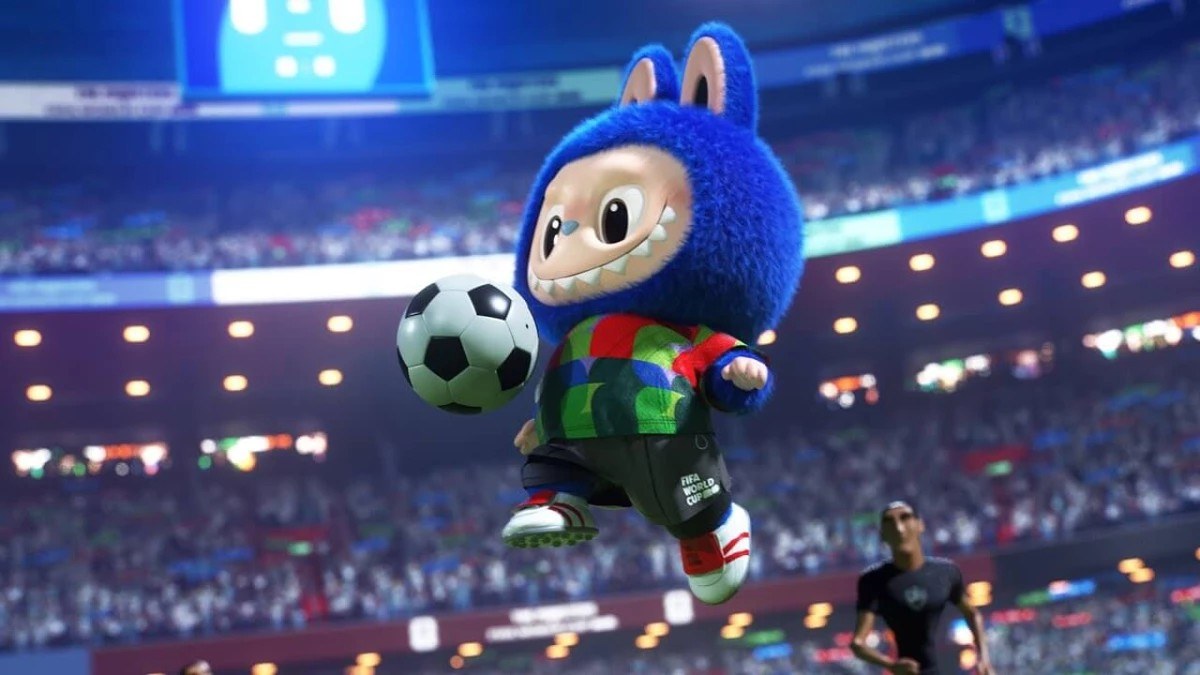
When the 2026 World Cup opened at the Estadio Azteca in Mexico City on 11 June, two of the more unexpected figures on the field weren’t footballers. They were Labubu, the sharp-toothed elf from Pop Mart, blown up to mascot scale, one in an Argentina jersey clutching the trophy, the other in Mexico’s colours. Chinese state media reported it as the first Chinese original IP at a World Cup opening, a claim worth holding at arm’s length, but the image did its own work: a toy stood where the planet’s biggest brands usually stand.
Back home the moment was instantly memed. “Other countries start Messi but we start Labubu,” ran a Weibo line that state outlets amplified into a “Chinese starting lineup.” The real story is underneath: how a character toy built a fandom serious enough to earn that spot, and what it says about character IP as a brand-building force.
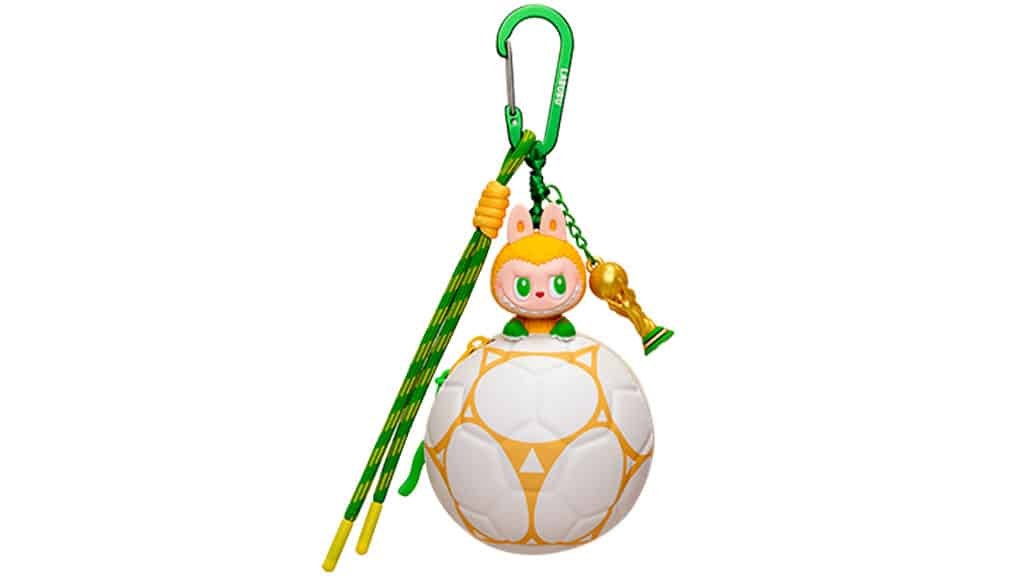
Labubu is the creation of Kasing Lung, a Hong Kong-born illustrator who dreamed up “The Monsters” in 2015, a cast of folklore-inspired creatures born in picture books before they were figurines. Pop Mart, the Beijing-founded collectibles company, took an exclusive licence in 2019 and has since spun out hundreds of variants, a Hong Kong artist’s character commercialised by a mainland one.
The engine under the craze is the blind box. Figures arrive sealed, so buyers don’t know which variant they’ve got until they open it, and rare “chase” editions reward repeat purchases and feed a brisk resale market. Pop Mart is now extending the IP the way a studio would, with a film in early development at Sony, “Paddington” director Paul King attached, announced, not yet made.
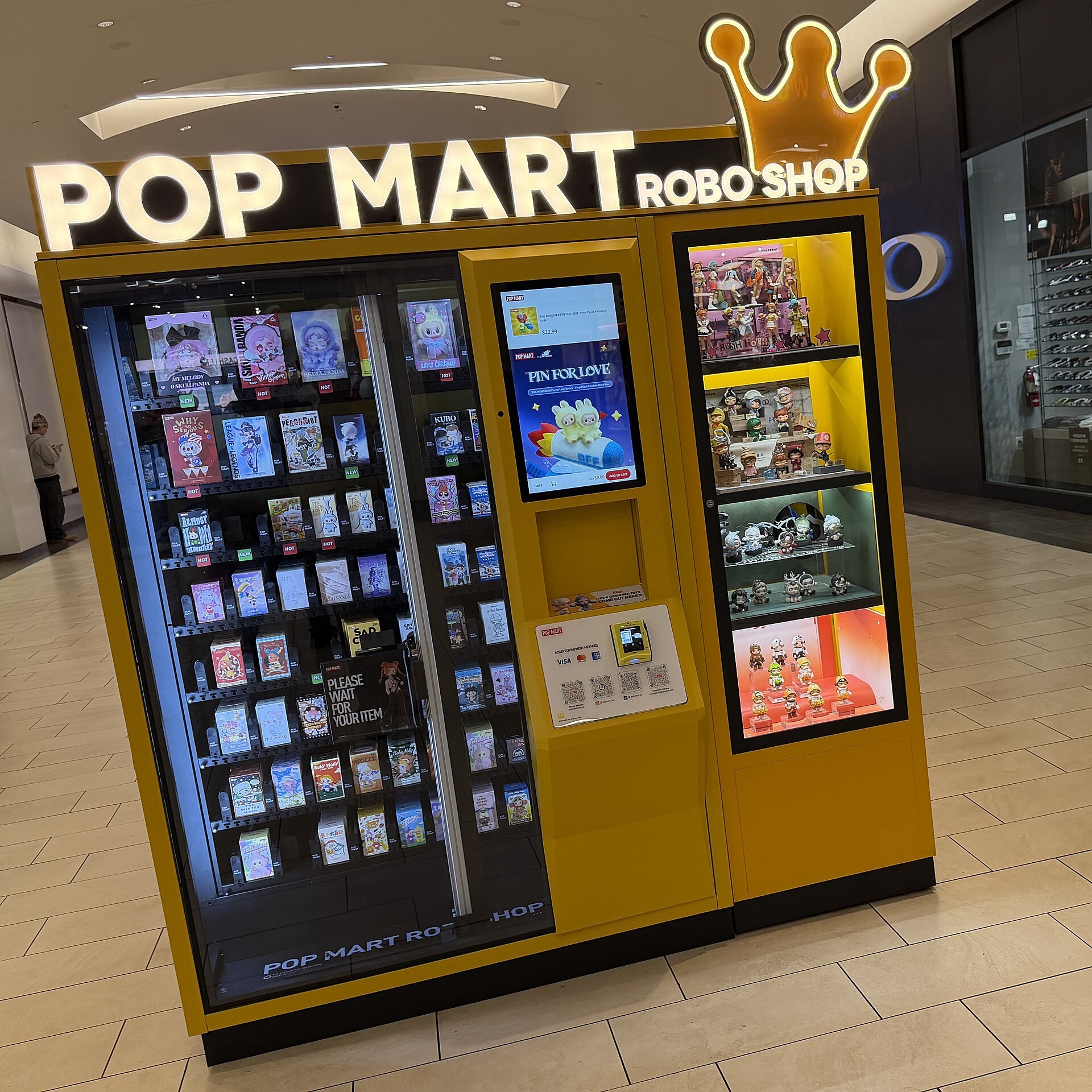
The commercial picture is genuinely big. Pop Mart’s full-year 2025 revenue reached RMB 37.12 billion, around US$5.1 billion and up 184.7 percent, with “The Monsters” alone contributing RMB 14.16 billion, and the company says more than 100 million Labubu units sold that year. For the World Cup, it says its FIFA collection sold out online on day one across 40-plus countries, the US$149.99 soccer Labubu its centrepiece, with pop-ups planned across the US, Mexico and Canada through the tournament. As Pop Mart Americas’ Emily Brough put it, this is “The Monsters’ first official sports collaboration.”
The soft-power read is tempting, and partly fair: a Chinese original IP, not a manufacturing contract or a Western licence, on a global stage is China exporting culture, not just goods. But the loudest voice making that case is Chinese state media, with Xinhua calling Labubu “one of China’s most recognizable cultural brands worldwide.” That’s soft-power work, not neutral analysis.
It’s also worth a clear eye on whether this is durable IP or a hype cycle. Pop Mart is valued at around US$30 billion now, down sharply from its peak, its shares having sunk a record 23 percent in March 2026 on doubts it can grow beyond Labubu. The Americas growth state outlets trumpeted, reportedly up around 1,270 percent year on year in 2025, has since cooled toward 55 to 60 percent by early 2026, revenue still climbing but the craze plainly easing. Designer-toy booms have crashed before, and much of the sold-out, resold heat is secondary-market speculation, not durable demand.
For brand and retail teams everywhere, the lesson isn’t the plush, it’s the model. Character IP can build equity advertising can’t buy, but only on real foundations: a distinctive creator-led character with a story-world, a mechanic that rewards repeat engagement, and the discipline to keep scarcity meaningful. Pop Mart simply started from a toy and added the screen later. Admire the ascent, just don’t buy the triumphalism wholesale.