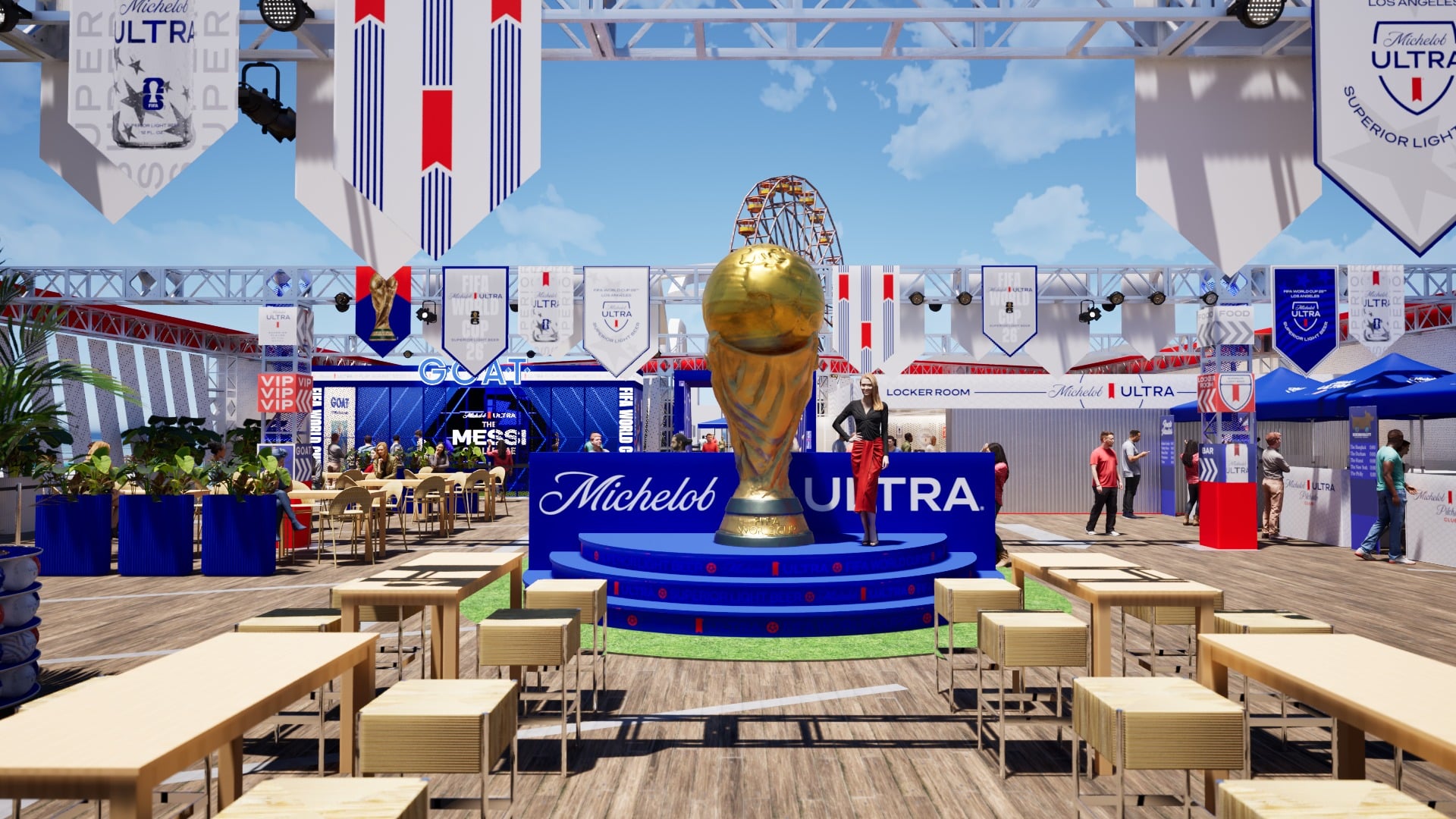
As the official beer of the 2026 World Cup, Michelob ULTRA’s branding is already all over the tournament. The more interesting spend is the one that isn’t about logos at all. For a fortnight in June, the brand annexed the Santa Monica Pier and turned it into the Pitchside Club, a premium, 21-and-over fan venue built in partnership with the LA Galaxy Foundation. It opened invite-only on 11 June, threw its doors to the public from 12 to 25 June, and ran daily, listed at 3 to 9pm. Free to enter, but capacity-limited by timed reservation. This is experiential marketing as land-grab, an owned destination built on top of the signage, not instead of it.
The logic of the venue play is simple and underrated. Rather than build awareness from zero, you borrow a destination’s existing gravity. The Pier comes with its own foot traffic, an instantly readable coastal backdrop with the Ferris wheel in every shot, and a crowd already in a good mood. When the opening drone show lit up the beach, it reportedly stopped beachgoers and slowed passing cars, which is the whole point of choosing a place where people already are.
Inside, the brand earned the gloss with some real substance. Getting in meant kicking a ball past a goalie, a playful gate that doubles as queue theatre. Once through, guests could take on what the brand billed as a virtual G.O.A.T. challenge against Lionel Messi, customise a jersey to wear the moment home, shoot on goal alongside a soccer legend, and pose with the Superior Player of the Match trophy. The sources don’t spell out exactly how the Messi piece or the jersey station work under the hood, so we won’t pretend to, but the intent is clear: give every visitor something to do and something to take away.
It was programmed, not parked. Alongside live match viewing and daily DJ sets, the venue hosted the Men in Blazers Match Day Live show, the kind of depth that gives people a reason to come back across two weeks rather than drop in once. The LA Galaxy Foundation partnership is confirmed, though what it contributes beyond local football credibility and a hometown-club tie isn’t detailed, so we’ll leave it there.
The scarcity is worth a clear eye. Free admission with a capped, timed RSVP creates a “free, but you might not get in” pull, and the goalie gate makes the line part of the show. Whether that scarcity is deliberate demand engineering or simply fire-code reality, no source says, so read it as the former with a pinch of the latter.
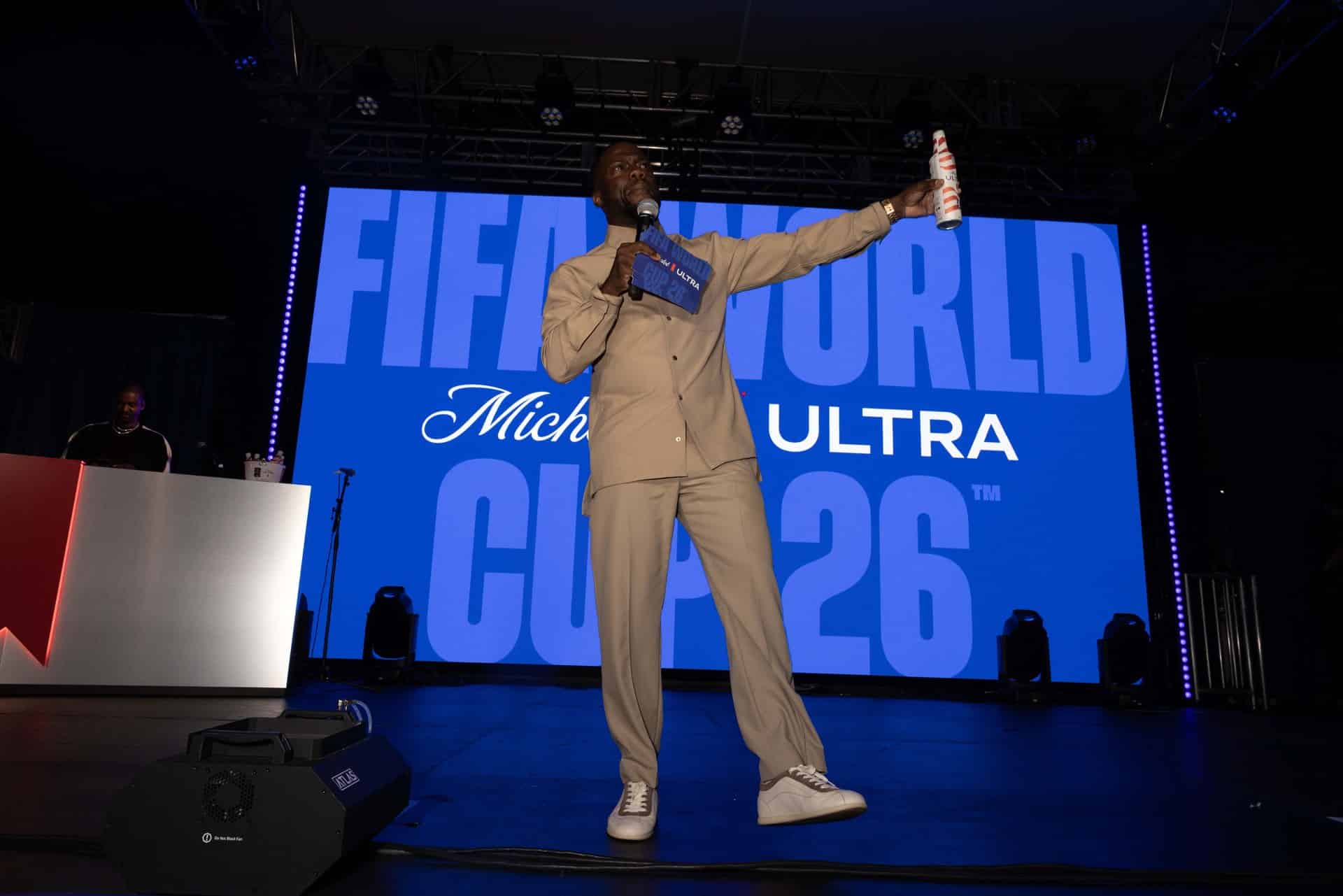
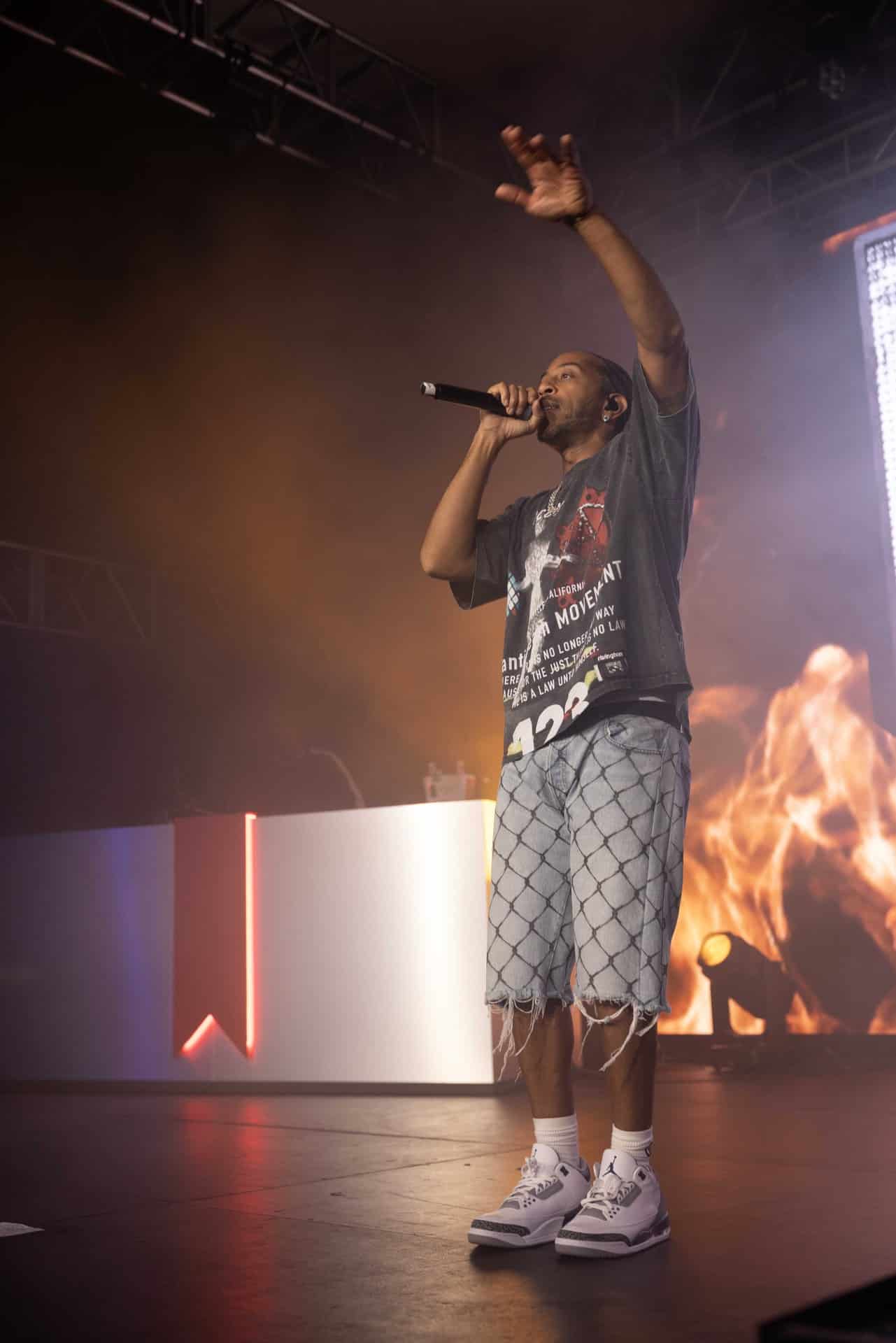
The opening night supplied the wattage. Kevin Hart hosted, Ludacris played a headline set, DJ Pee.Wee followed, and a drone show over the beach, narrated by USMNT star Christian Pulisic, built toward the US-Paraguay match the next day. Good fun, and proof the brand can pull a crowd.
But pull a crowd is the right phrase, because buzz is not business. There are no published attendance, reach or sales figures here, and by design there can’t be much reach: one physical site, 21-and-over, two weeks, reaches far fewer people than a digital play, it just goes deeper with the few it does. It’s worth asking, too, whether anyone walks away remembering Michelob ULTRA, or just that Kevin Hart threw a beach party. And the romance of “annexing a beloved landmark” is really a portable format on tour. As Michelob ULTRA’s Ricardo Marques put it, LA was a West Coast restage of the brand’s Pitchside Club from the 2025 Club World Cup in New York, smart and repeatable rather than bespoke to the Pier.
For Western brand and retail teams, the lesson is precise and double-edged. Where a non-sponsor like Nike bought the streets to gatecrash the tournament, a paid-up sponsor can build a programmed des